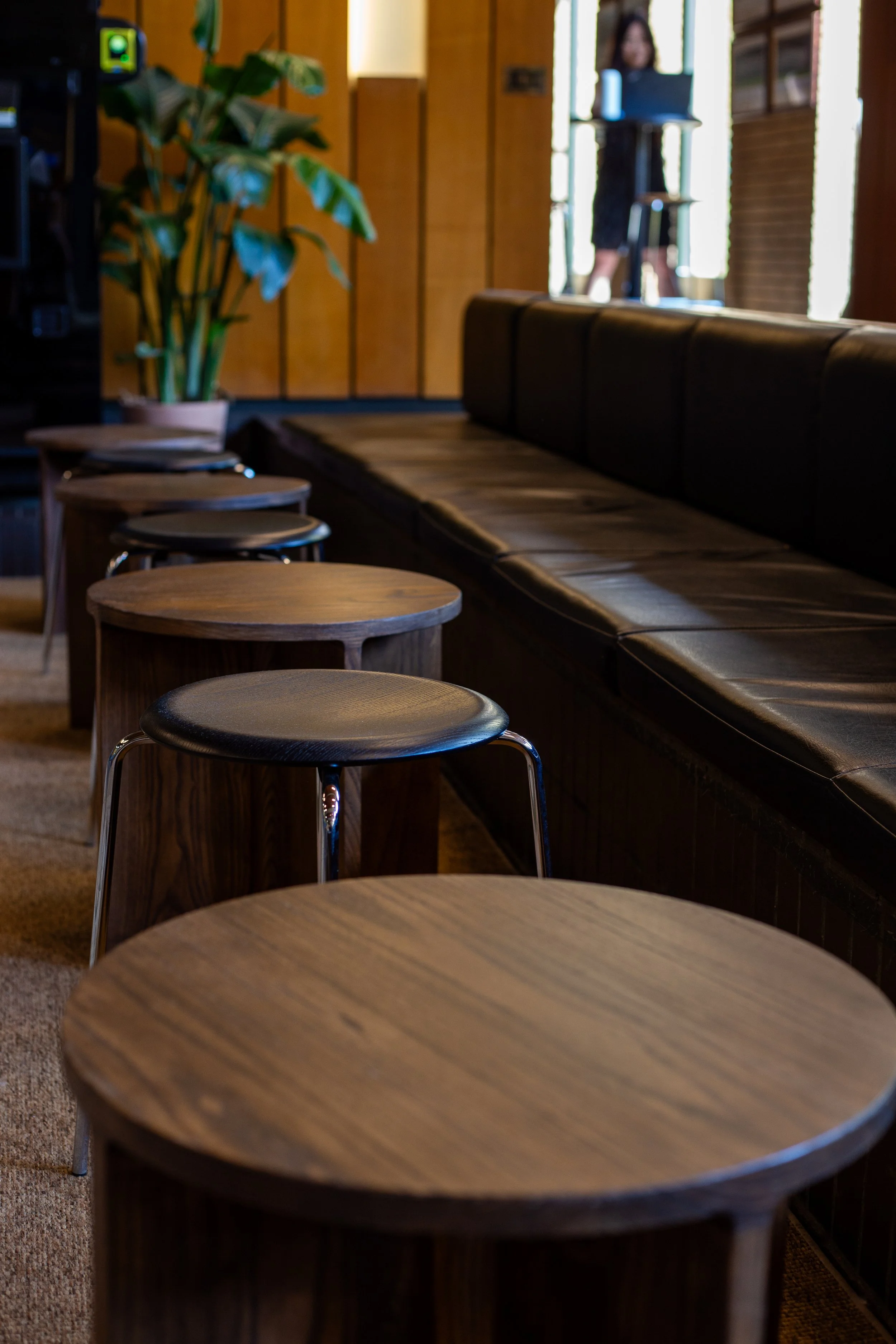
Case Study - St Catherine’s College, Oxford
It's not every day you’re asked to design furniture to go in one of your design heroes’ most sought-after buildings, but In late 2025 I was approached to work on a project inside Arne Jacobsen’s famed St Catz college in my hometown of Oxford. Here’s what went down, but first a mini history lesson.
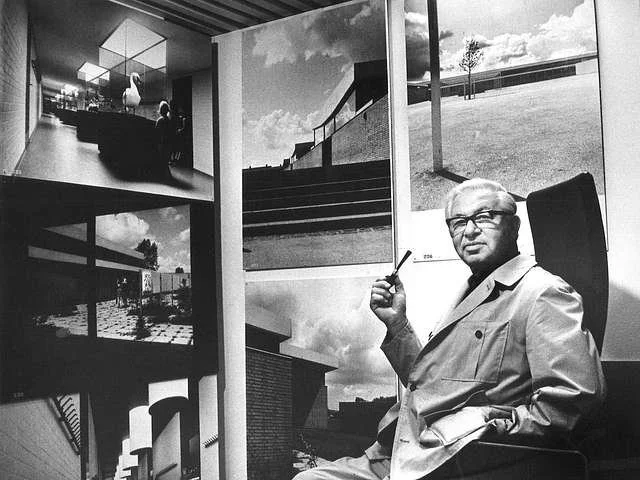
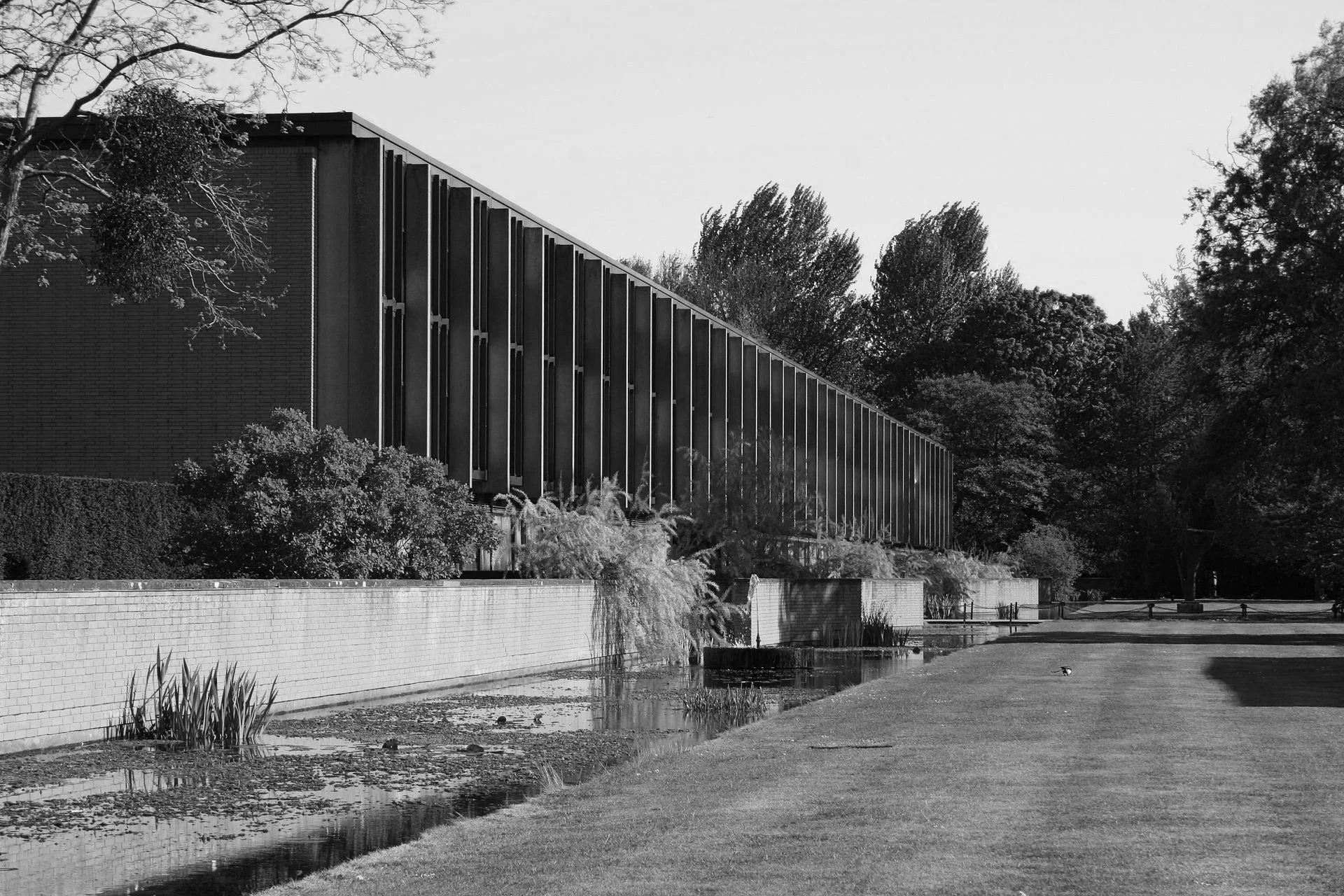
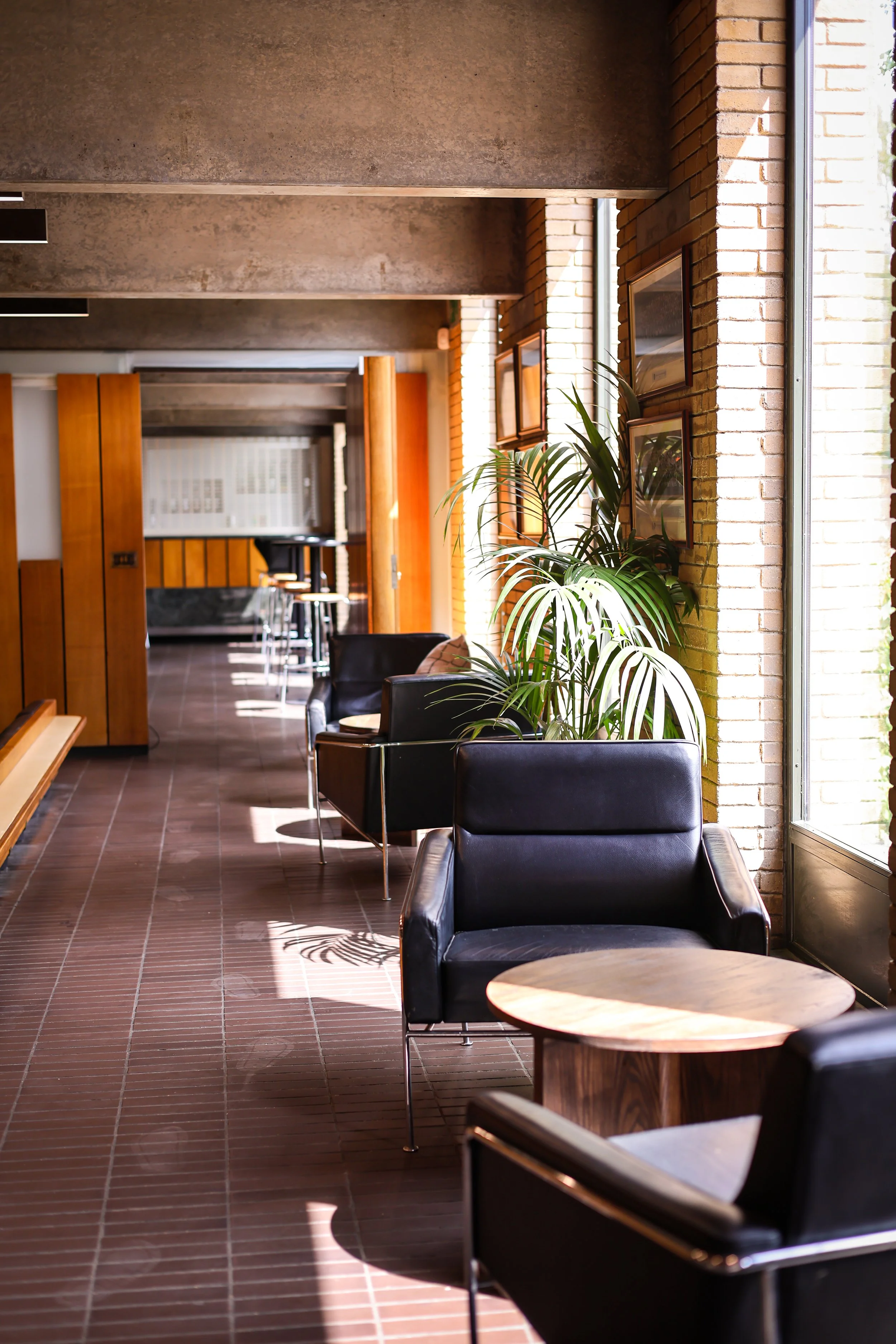
St Catherine’s College, Oxford was designed by Danish architect Arne Jacobsen and completed in 1964. Conceived as a total work, Jacobsen designed not only the buildings but also the interiors, furniture and landscape, organised around a strict modular grid. The result is a restrained modernist campus defined by clarity, proportion and material consistency, and remains one of the most significant examples of modernist architecture in the UK.
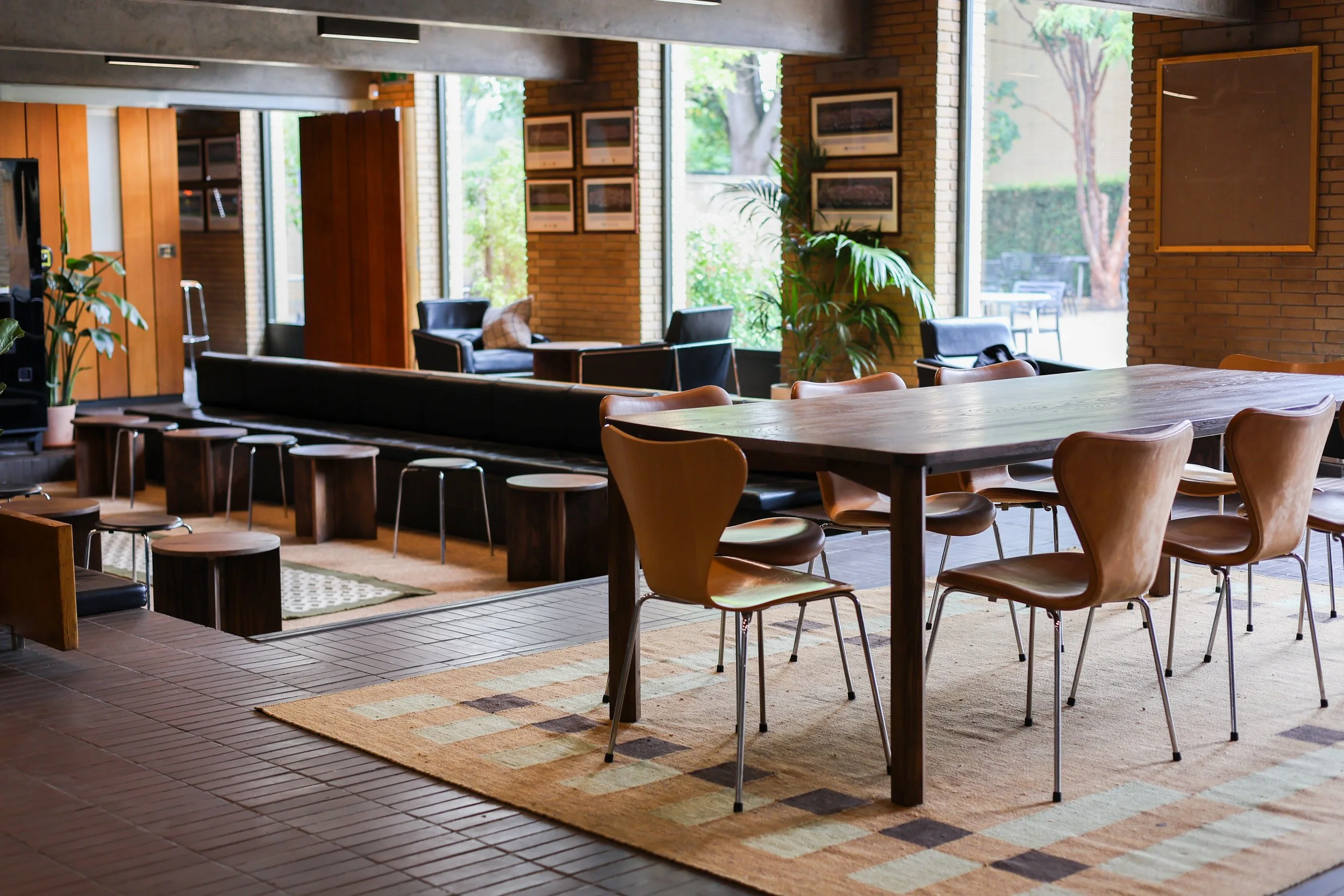
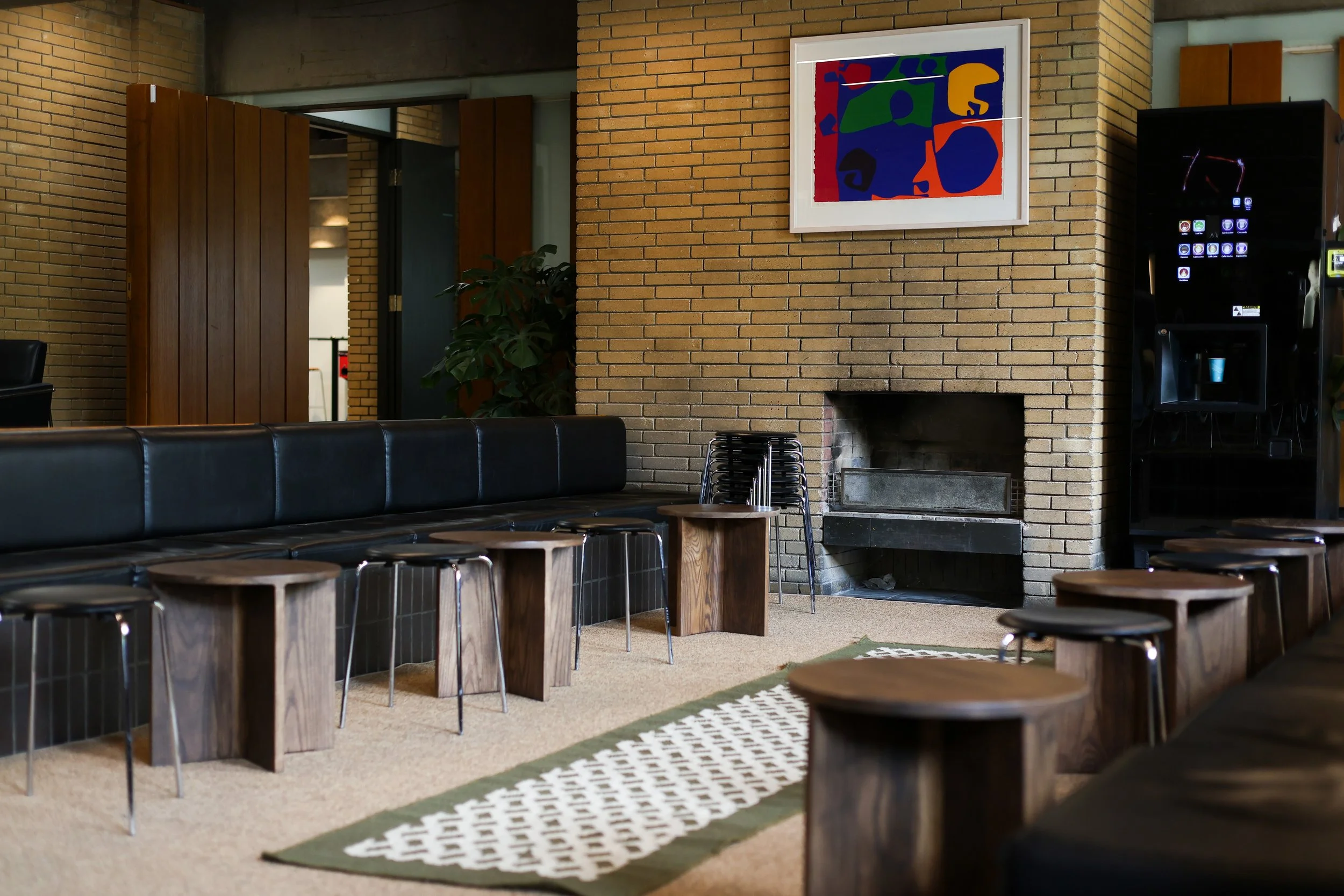
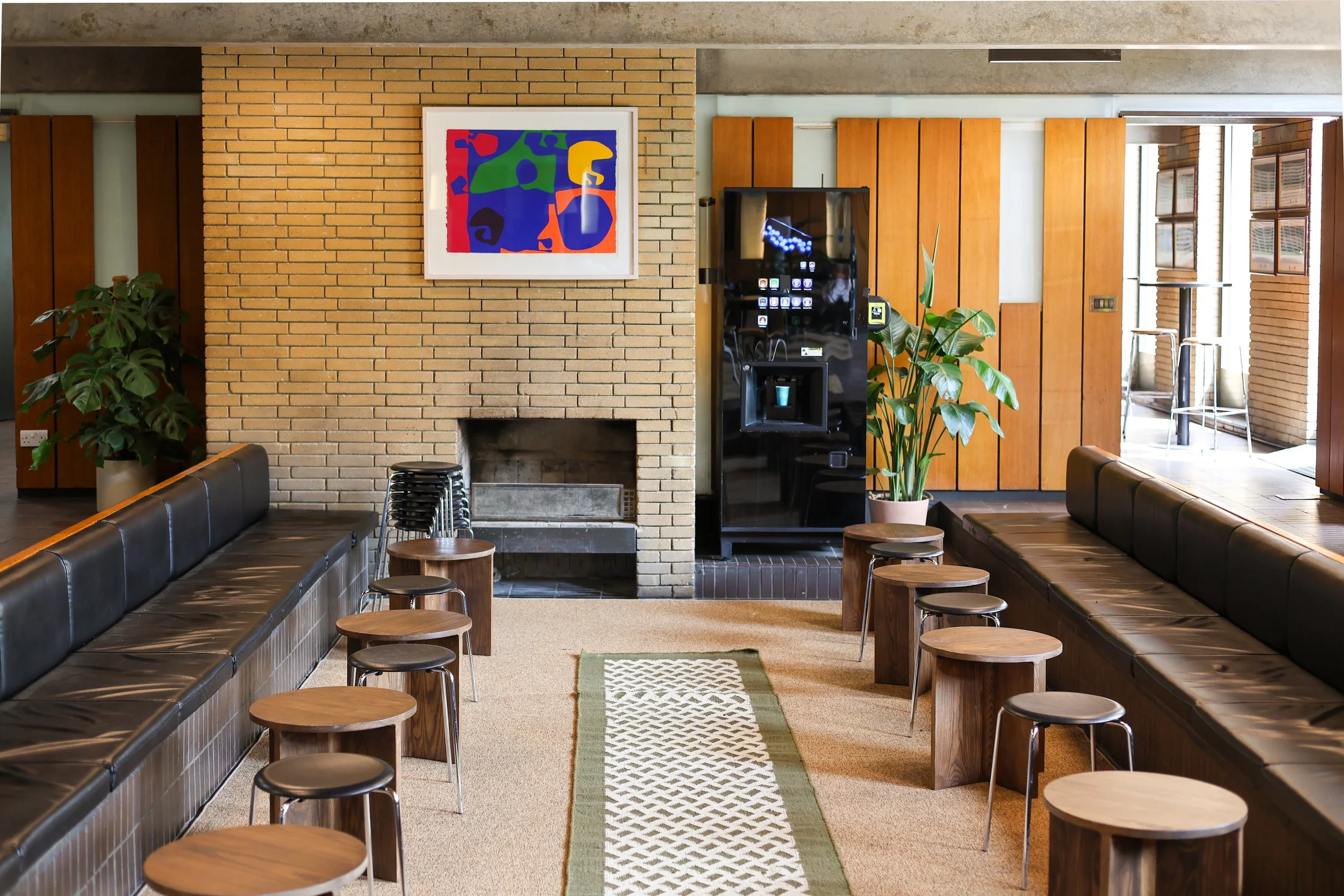
Trouble was commissioned to supply a series of furniture pieces, including the Design Guild Mark winning OX and a new bespoke one-off dining table called Rene, for a renovation project in the student common room designed by Dean Connell founder of I-AM.D.C. The approach focused on provding furniture that could sit comfortably alongside Jacobsen’s original work without attempting to compete with it. Proportions, material choices and detailing were carefully considered to allow the new pieces to exist as a quiet counterpoint, contemporary in character, but aligned with the clarity and discipline of the surrounding architecture and Jacobsens existing furniture by Fritz Hansen
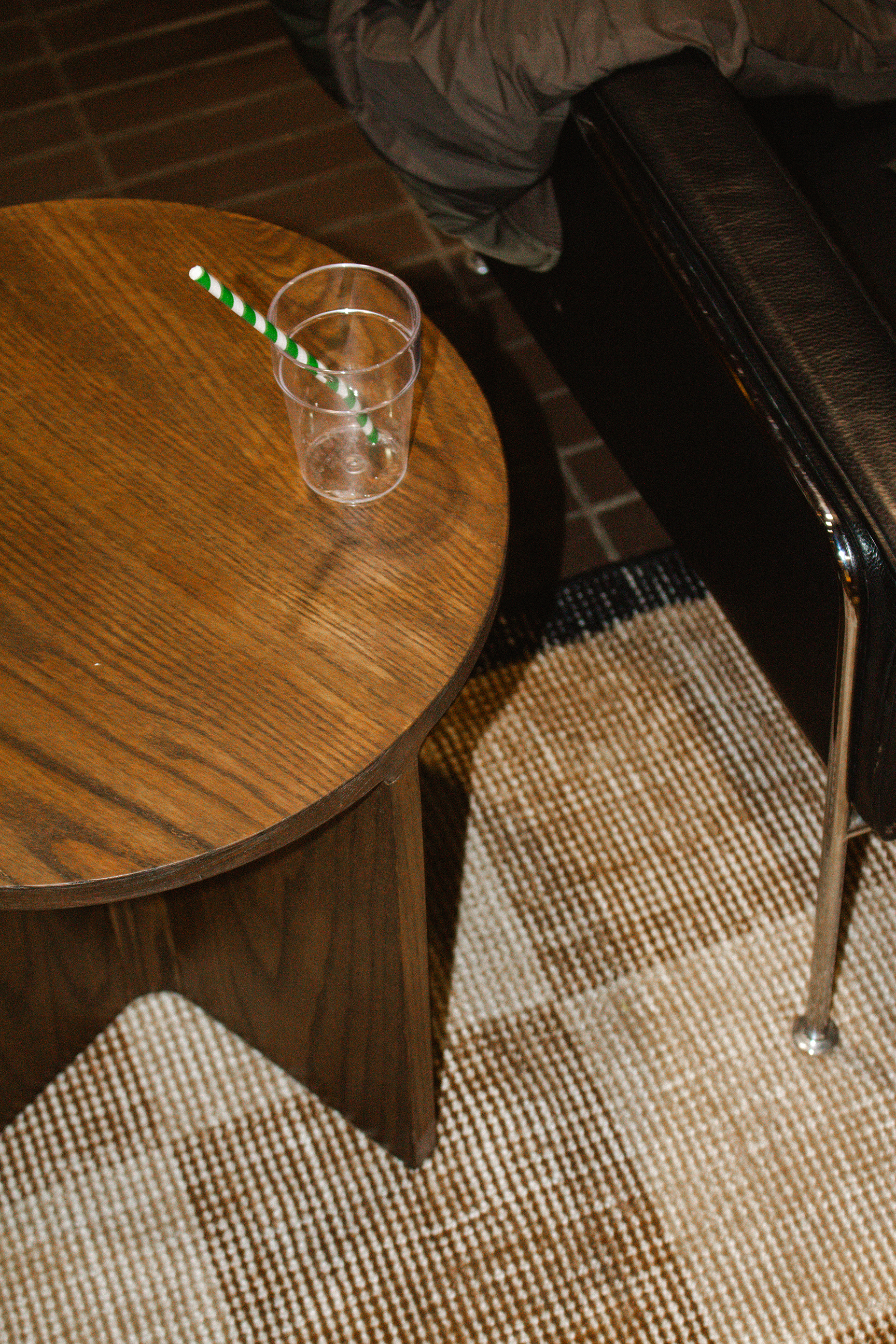
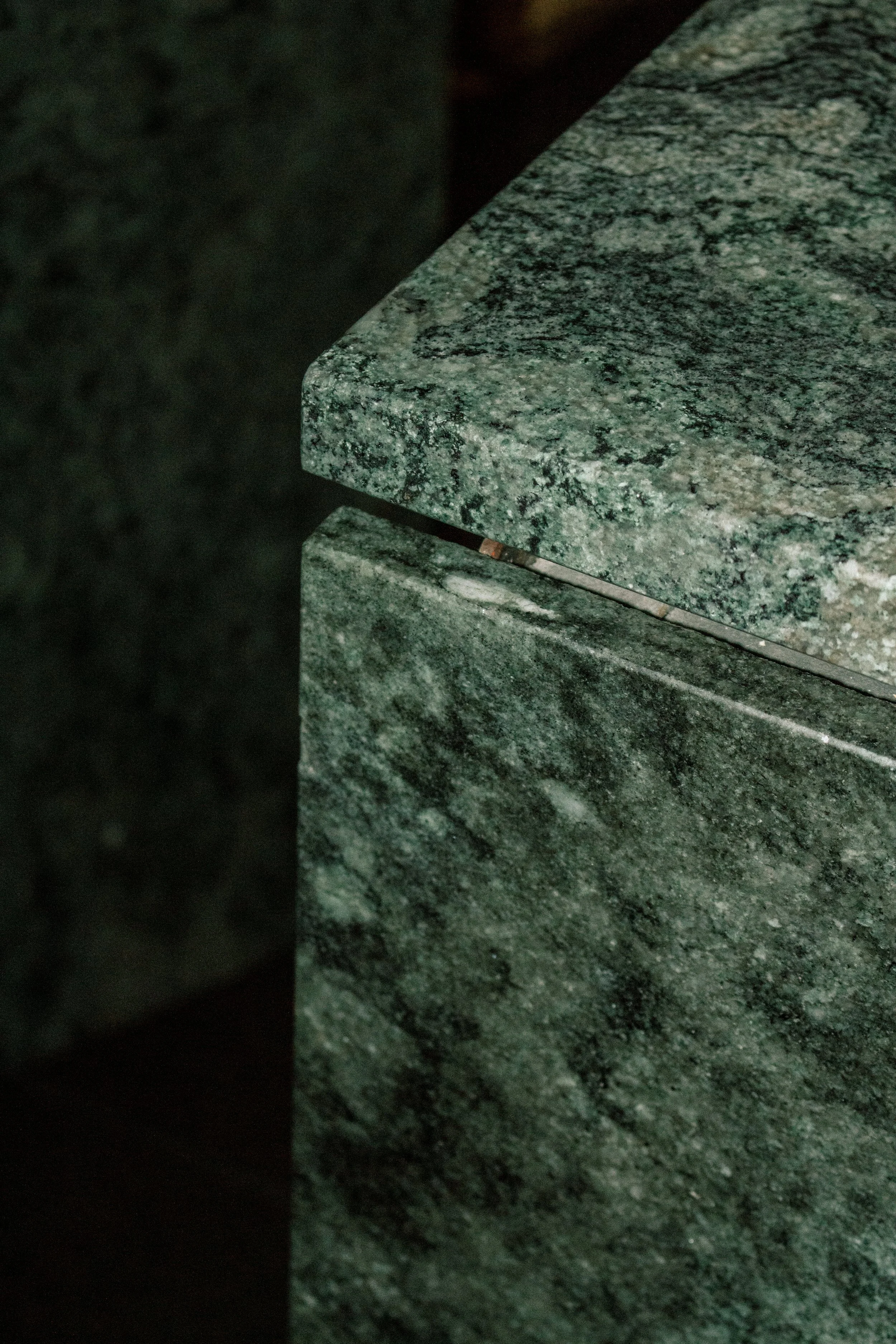
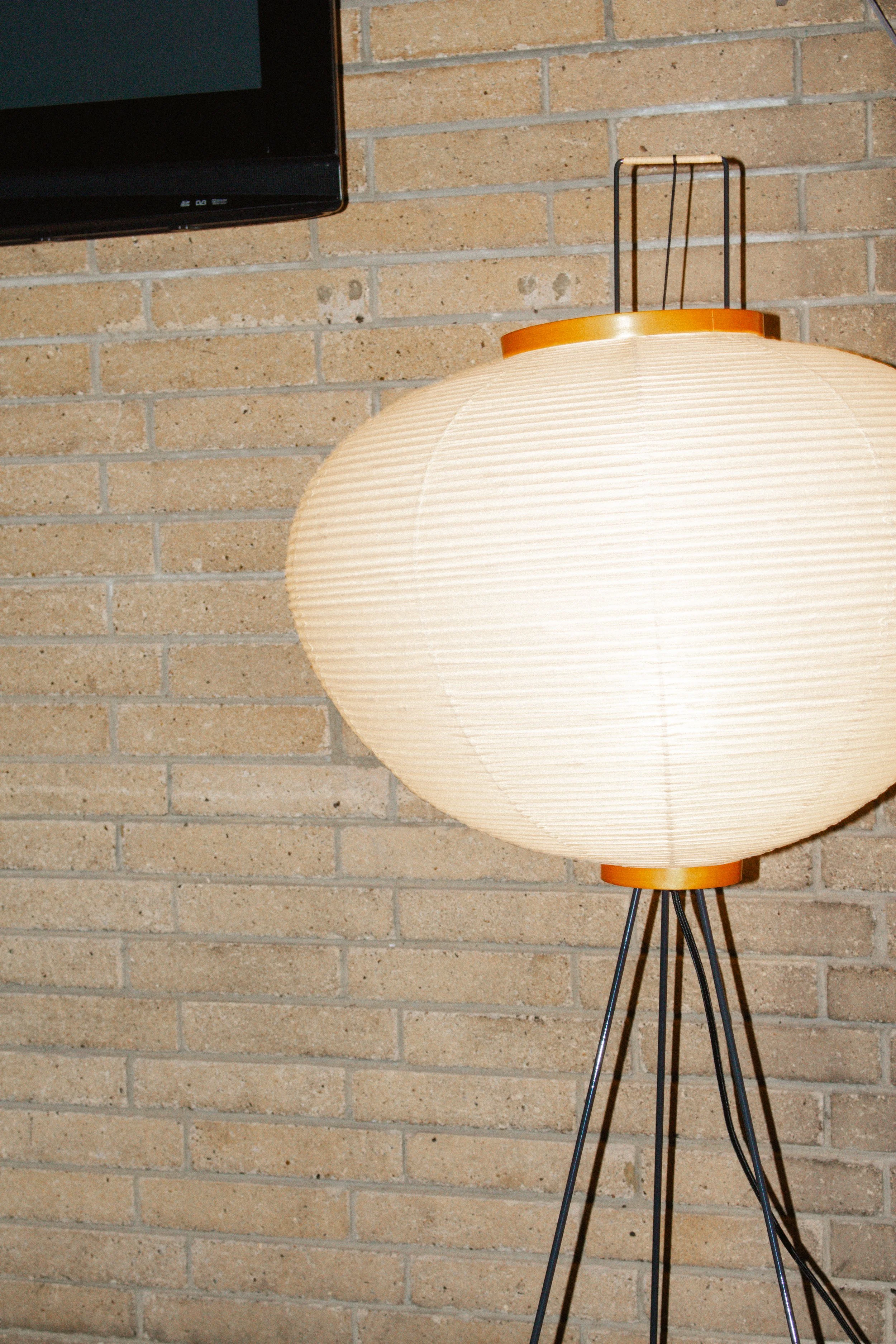
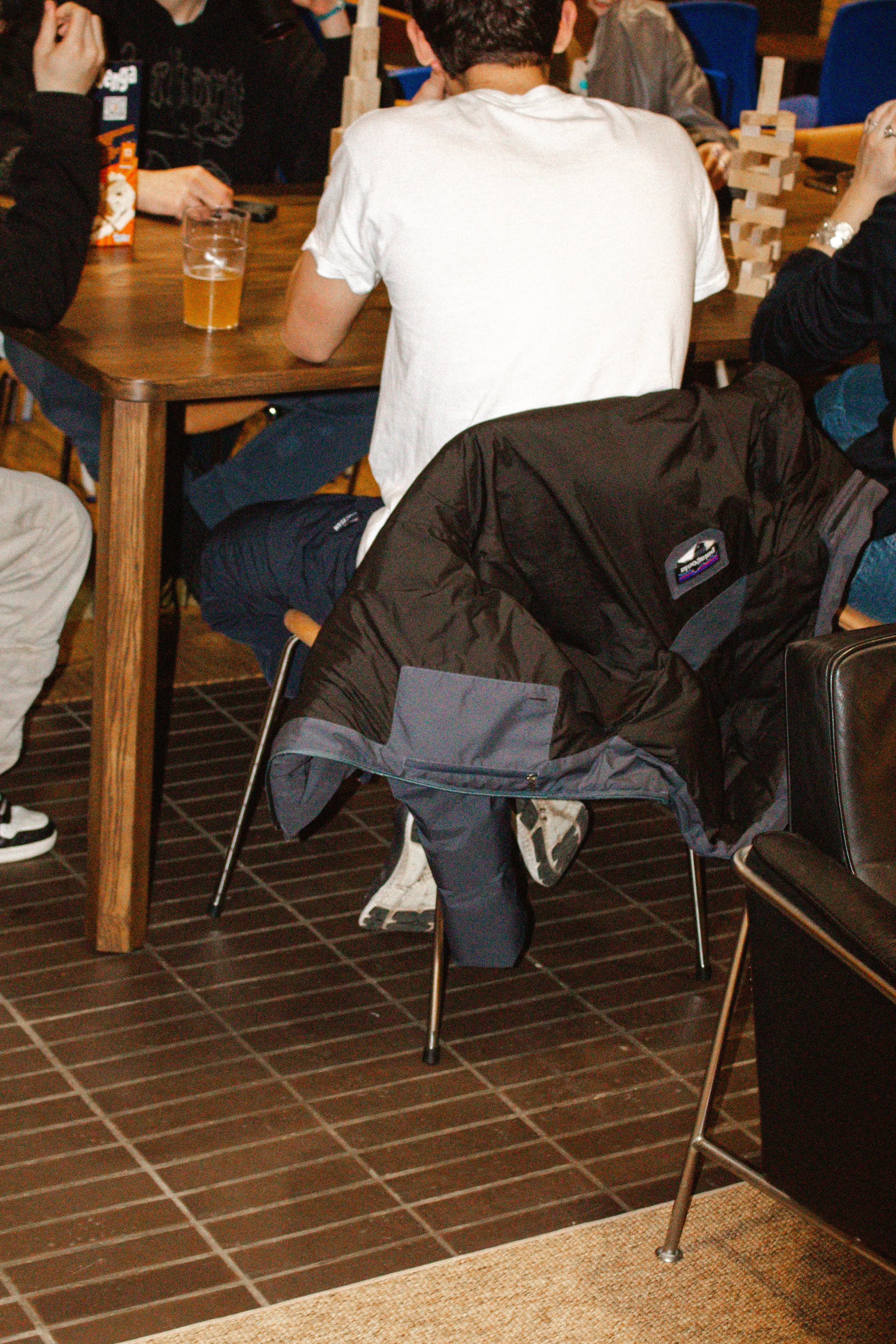
Ox features heavily in the space in two new forms, firstly a 450mm side table, larger than in diameter than standard size; it was increased to accommodate Jacobsens AJ lamp by Louis Poulsen. And secondly as a much larger 650mm diameter coffee table. The project also included a bespoke dining table developed specifically for the space called Rene and now available as a standard product. The piece was designed in close response to the room’s proportions, balancing robustness with a level of refinement appropriate to the setting. As with all of our furniture, the table was made to order, allowing dimensions and details to be resolved precisely for the project.
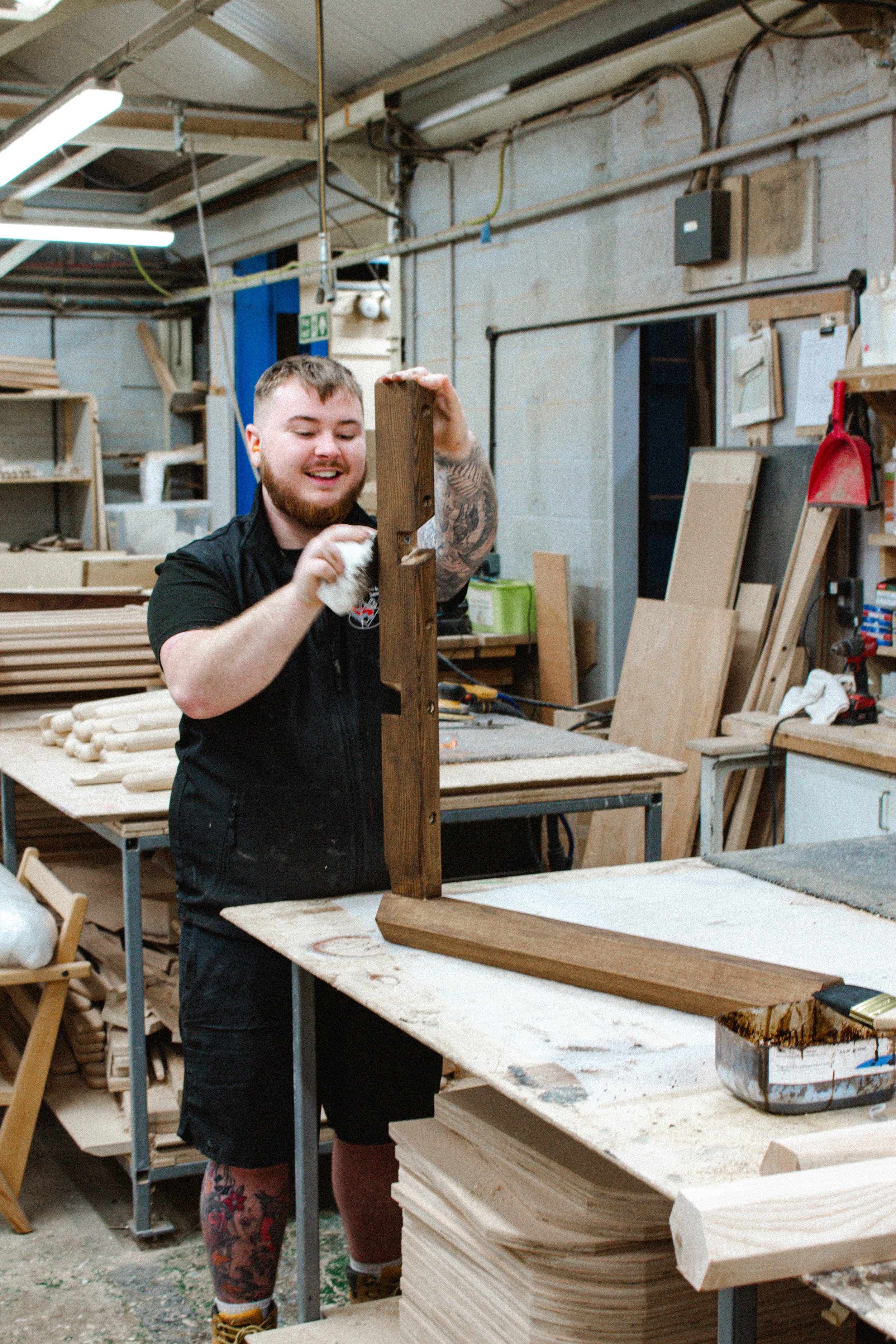
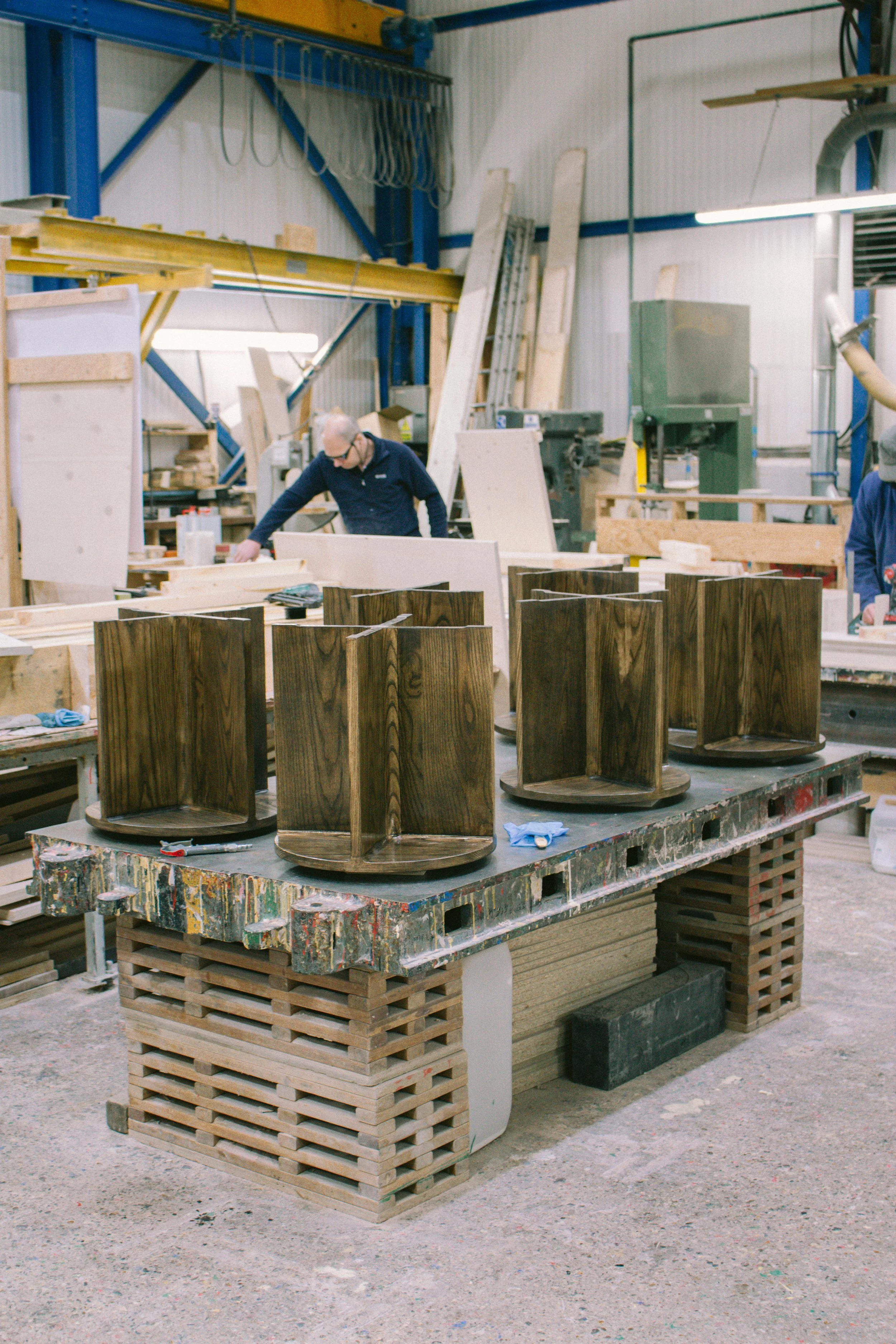
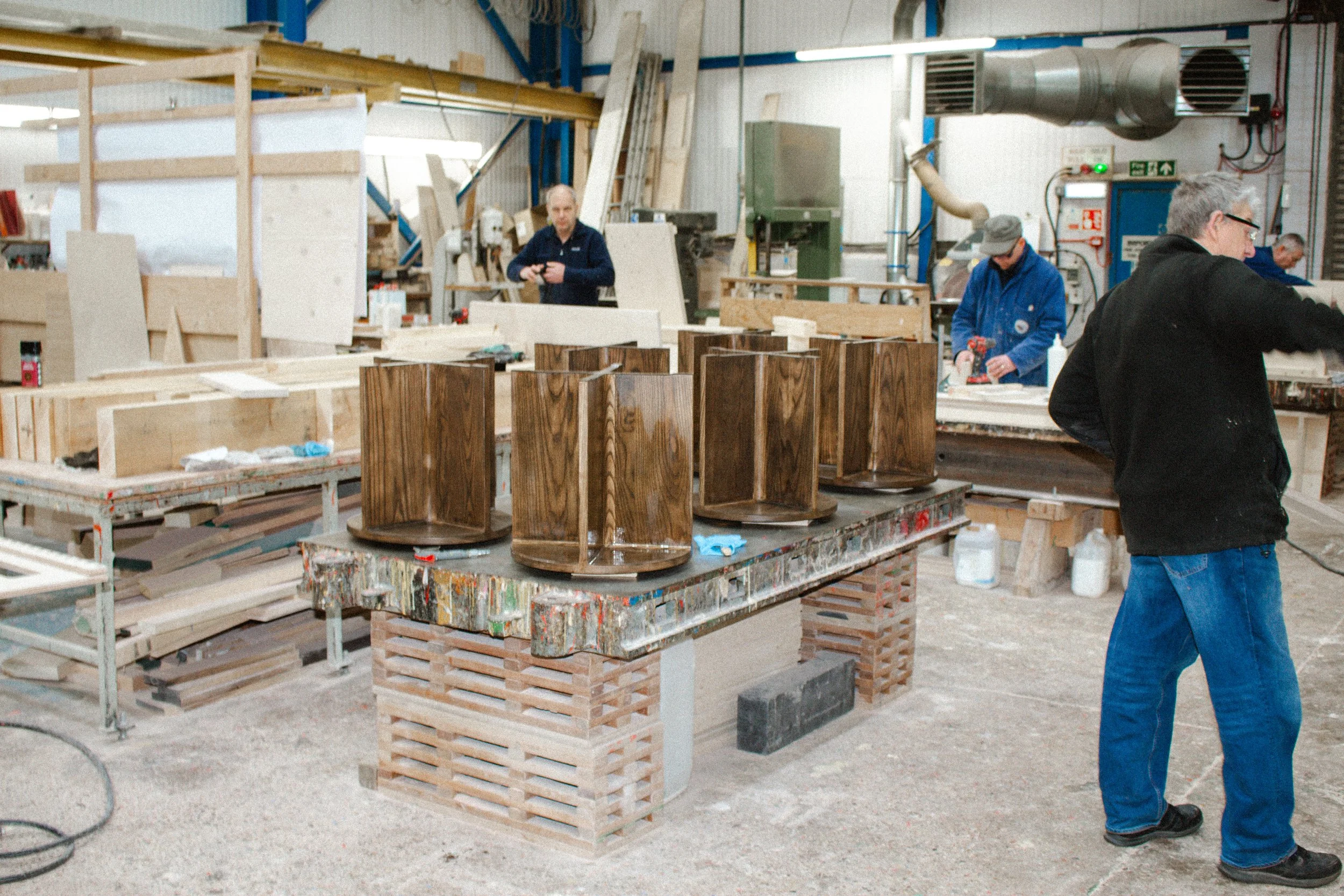
All pieces were designed and manufactured in the UK, with an emphasis on material honesty and long-term durability. Documenting the making process formed an important part of the project, capturing the transition from raw materials through to finished furniture before installation within the college.
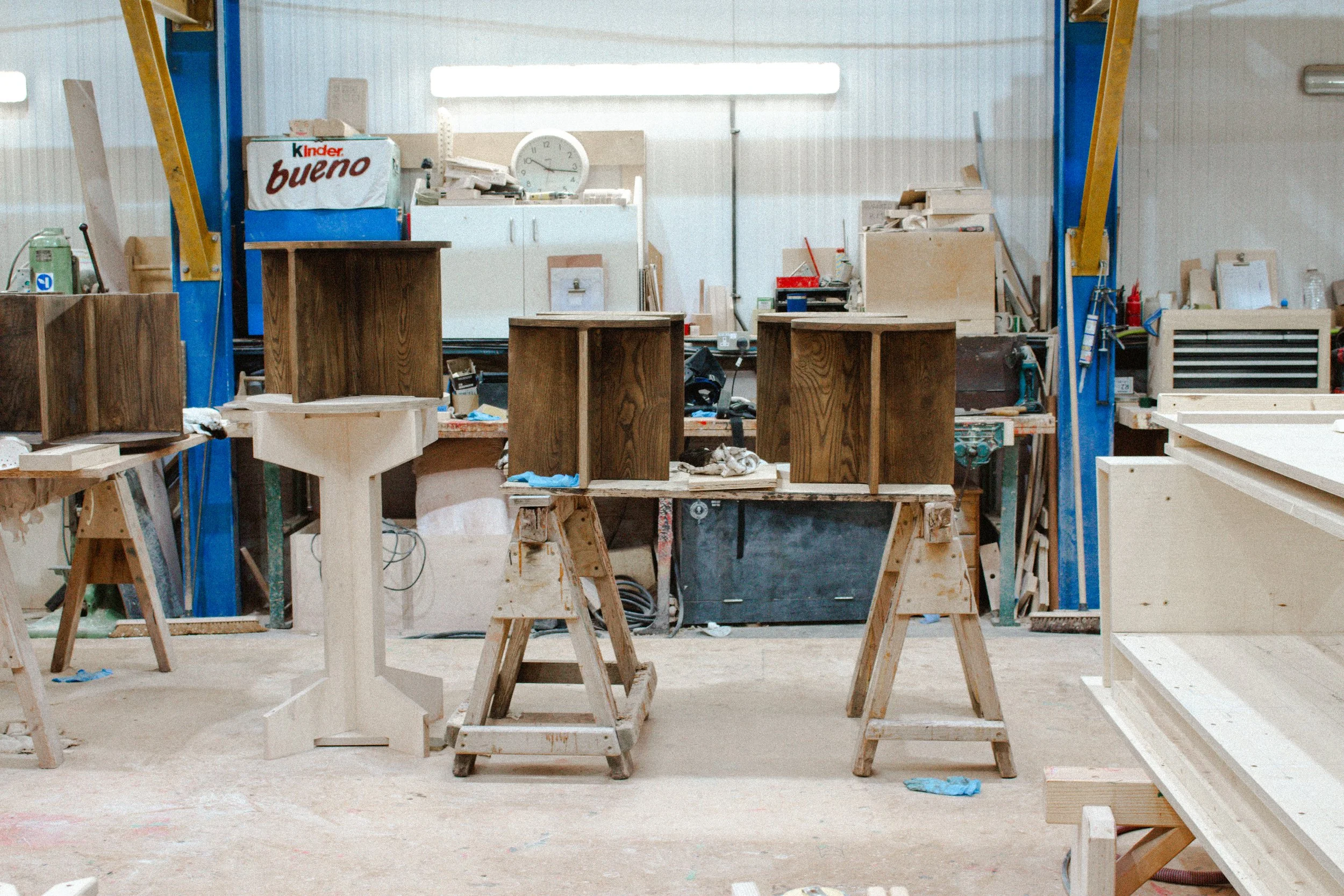
The project reflects my ongoing interest in producing furniture that responds thoughtfully to context, architecture and use, particularly within environments where design heritage and contemporary needs intersect. Rather than asserting itself, the work is intended to sit quietly within the space, shaped by proportion, material and use over time, and to become part of the building’s ongoing life.
M